District One Health Teams Operationalized!
Blog | 4/03/26
“Operationalizing District One Health Teams (DOHTs) in Rwanda is critically important for several strategic, public health, and system-strengthening reasons. Most zoonotic and emerging disease threats first appear at community and district levels. Functional District One Health Teams will enable early detection of unusual health events in humans, animals, and the environment, ensuring rapid information sharing and coordinated response before outbreaks escalate nationally. This is particularly relevant given Rwanda’s experience with diseases such as Rift Valley Fever, Marburg Virus Disease, rabies, and other zoonoses,” Dr. Leandre Shema, Ag. Director of One Health Unit at Rwanda Biomedical Centre stressed the importance of operational DOHTs.
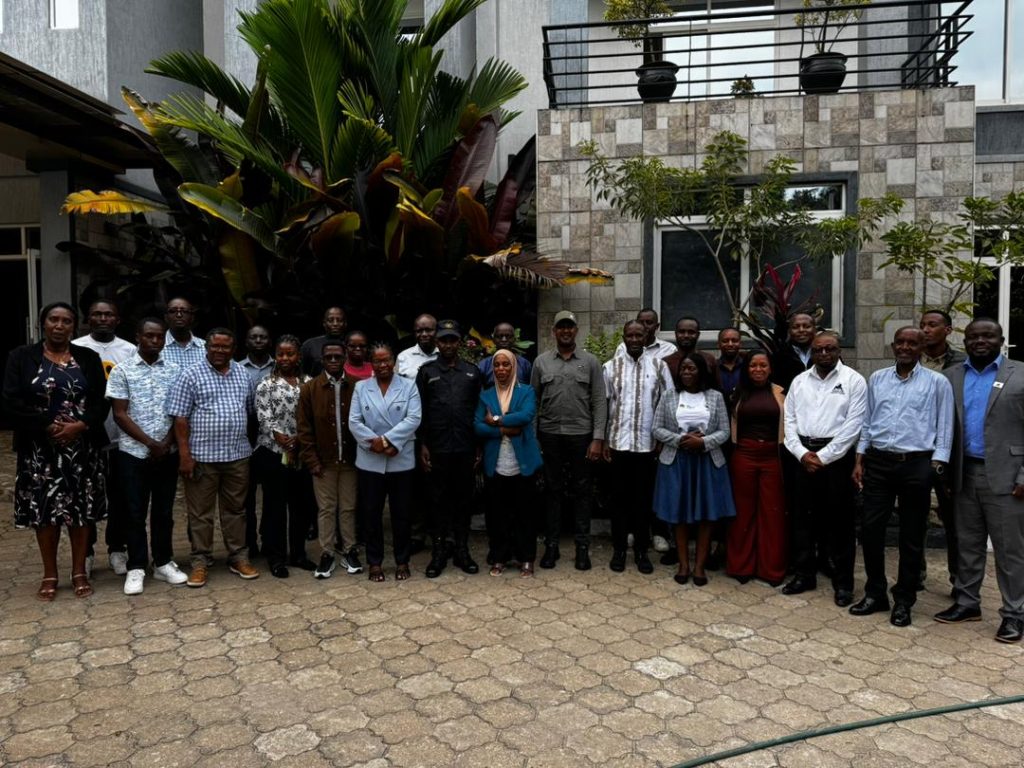
As part of implementation of the One Health Project, IGCP recently trained 8 district One Health teams in Rwanda and Uganda from the 8 districts where the project is being implemented. In Uganda, the district health teams were joined by One Health teams from Bwindi – Mgahinga Conservation Area. Volcanoes National Park One Health team will undergo training soon. Protected Areas (PAs) are integral components of One Health teams because they function as critical, on-the-ground, front-line defenses that bridge the gap between human, animals, and ecosystem health.
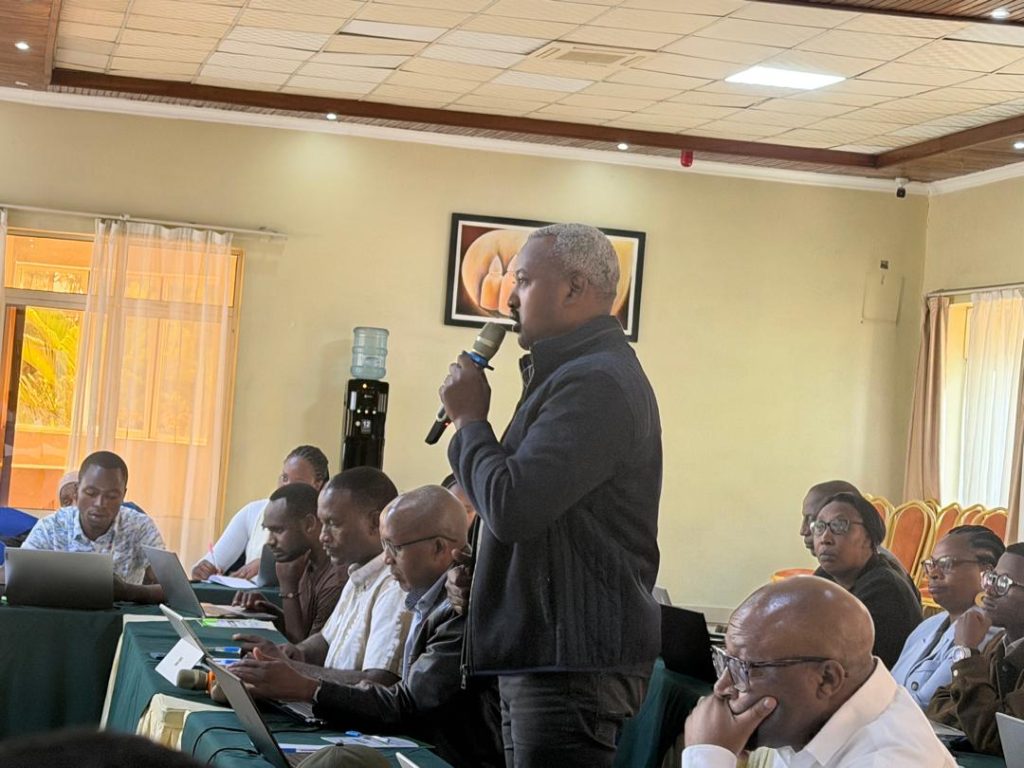
The trainings served as a starting point towards re-initiating and operationalizing the District One Health Committees/Task Forces and aimed at enhancing their operational capacity, coordination and functionality towards improving Preparedness, Prevention and Response (PPR) mechanisms to zoonotic diseases. The cross-cutting district teams are comprised of representatives from health, environment and animal sectors, local government and security.
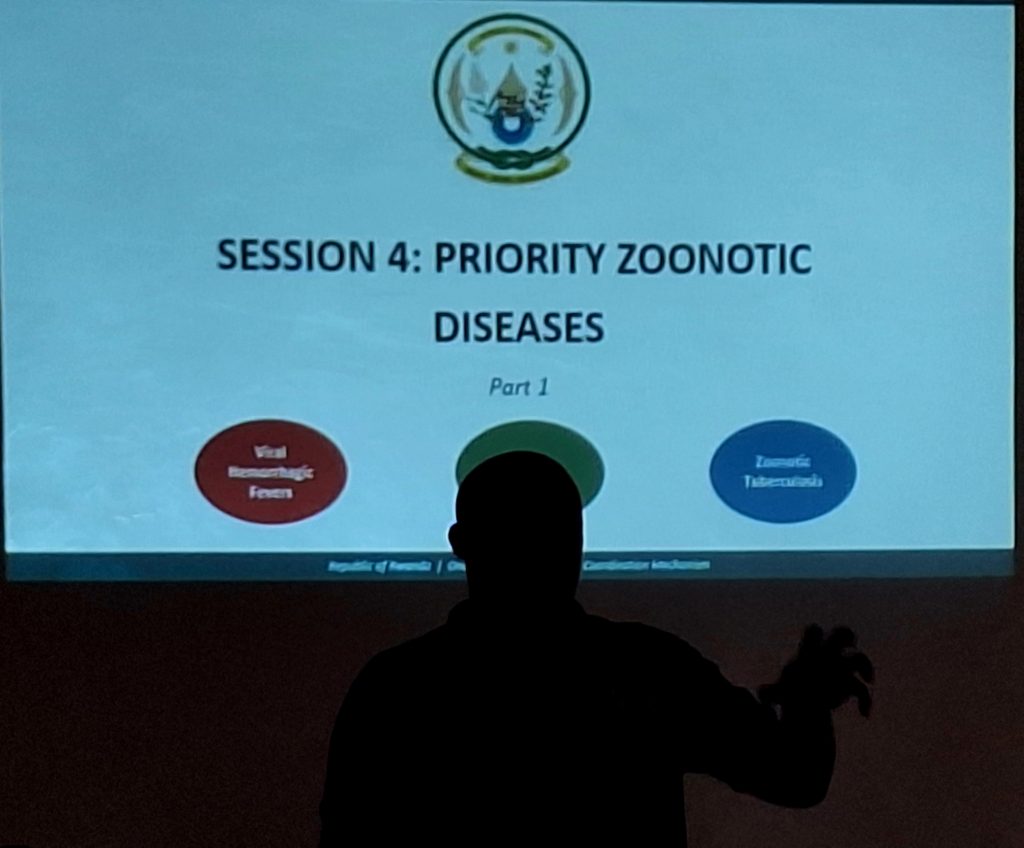
The teams are mandated to establish and maintain effective multi-sectoral coordination for One Health activities at the district level, implement joint surveillance systems for early detection of zoonotic diseases and other health threats plus coordinating rapid response activities during disease outbreaks and health emergencies among others.